Adoption-Friendly Activities in Georgia for Families
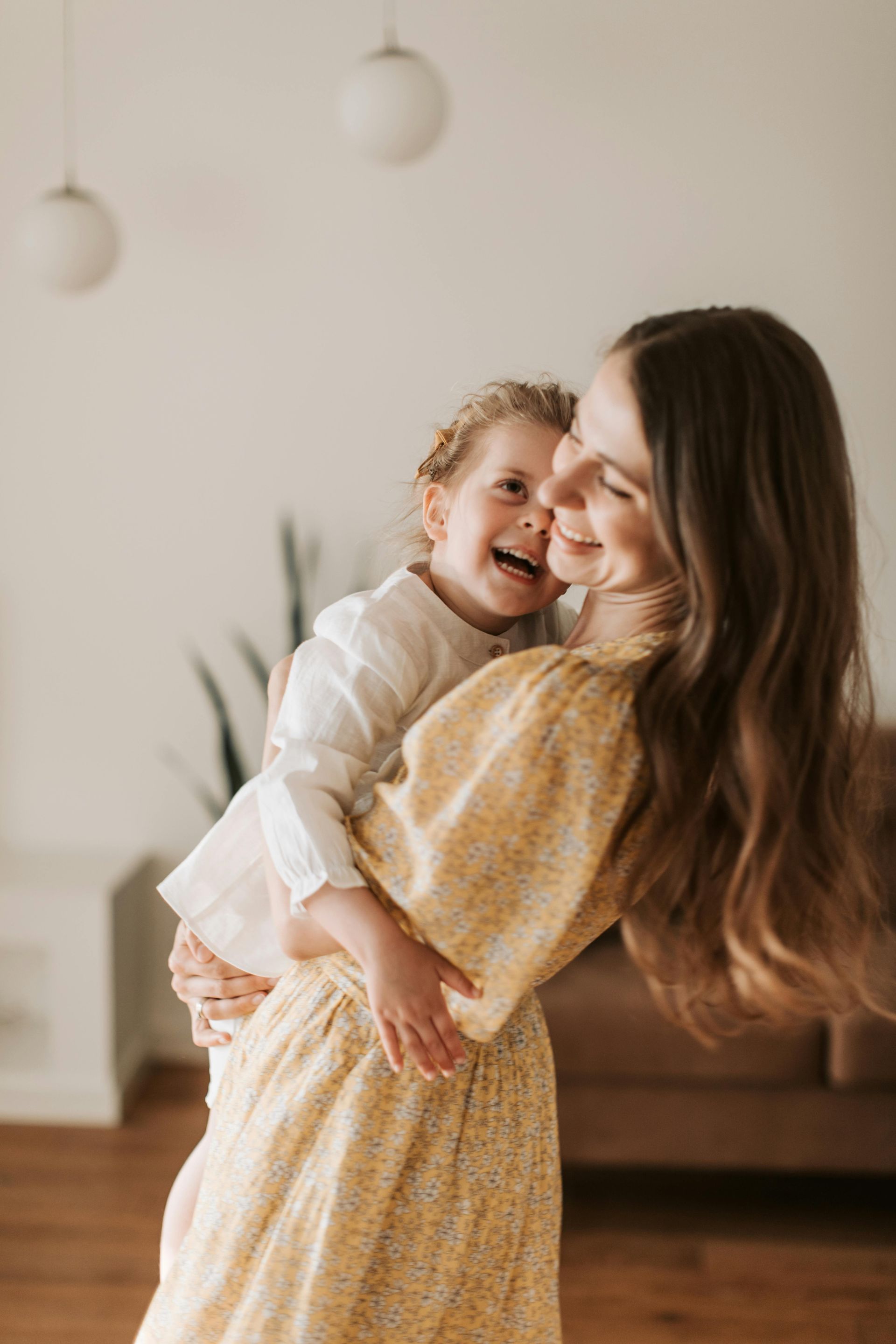
Family time does not have to be elaborate to be meaningful. A Saturday morning at the park, a familiar bedtime story, or an afternoon spent making something together can become part of the way a child learns, “This is where I belong.” For adoptive families, those ordinary moments can also create natural opportunities to talk about identity, history, love, and connection.
The best adoption-friendly activities are not activities that put adoption on display. They are experiences that make room for every member of the family, protect a child’s privacy, and allow conversations to happen without pressure. Whether your family is preparing to adopt or settling into life after placement, these ideas can help you enjoy Georgia together while strengthening your relationships at home.
Take a Child-Led Nature Day
Georgia offers plenty of places to slow down outdoors, from neighborhood greenways and lakeside trails to state parks and mountain overlooks. Choose an outing that fits your child’s age and comfort level. A toddler may be happiest collecting leaves near a picnic table, while an older child may enjoy choosing the trail or packing lunch for the family.
Nature days work well because there is no demand for constant conversation. Children can walk, explore, and talk when they are ready. You might create a simple scavenger hunt, take turns photographing favorite sights, or choose one small natural object to sketch when you get home.
If a child has recently joined the family, keep the first outing easy and flexible. A short trip that ends well is more valuable than an ambitious day that leaves everyone exhausted. Connection grows through experiences that feel safe, not through a packed schedule.
Build a Family Storybook Together
A family storybook can include much more than adoption paperwork or formal photographs. Fill it with pictures of favorite meals, pets, relatives, bedrooms, holidays, neighborhood walks, and funny everyday memories. Younger children can decorate pages with stickers or drawings. Older children can write captions, choose what belongs in the book, and decide who may see it.
The child should have control over personal details connected to adoption. Some children enjoy including placement or finalization memories. Others do not want those moments placed in a shared book, and that choice deserves respect. You can always keep private records safely stored while making the family book about life you share now.
This activity supports belonging without suggesting that a child’s life began when they entered the adoptive home. It leaves room for the whole story, including people and experiences that came before.
Visit the Library and Choose Books as a Family
Libraries across Georgia offer an easy, low-pressure family outing. Let each person choose a book for themselves and one book to share. Look for stories that feature many kinds of families, cultures, abilities, and life experiences—not only books that explain adoption directly.
When you do select an adoption-related book, read it first if possible. Make sure the language is respectful and that the story does not treat adoption as rescue, erase birth parents, or promise that love removes every difficult feeling. After reading together, ask open questions such as, “What did you think about that character?” instead of testing your child for an emotional response.
Families preparing to adopt in Georgia can begin building a thoughtful home library before placement. A few carefully chosen books can help everyone practice talking about family differences in a comfortable, age-appropriate way.
Cook a Meal That Carries a Story
Food is one of the most natural ways families pass along traditions. Choose a recipe connected to your household, your child’s background, a birth family tradition that has been shared with you, or a part of Georgia your family enjoys visiting. The goal is not to force a cultural lesson into dinner. It is to make curiosity and respect part of family life.
Give each person a real job, even if it is simply washing produce, stirring batter, or choosing the music. While you cook, share what you know about the recipe and be honest about what you do not know. If your child wants to research a dish or tradition connected to their heritage, follow their lead rather than turning it into an assignment.
Save successful recipes in a family binder. Over time, it becomes another record of the life you are building together.
Create a Private Memory Box
A memory box gives a child one protected place for photographs, letters, cards, small keepsakes, and other pieces of their story. Let the child decide what belongs in it and whether anyone else may open it. For a baby or young child, parents can safeguard items until the child is old enough to make those choices.
Decorating the box can be a family activity, but privacy should remain at the center. An adoption memory box is not a party decoration or something visitors should expect to see. It belongs to the child.
This can also be a helpful reminder when creating an adoption-friendly home: emotional safety matters just as much as physical preparation. Children need to know their belongings, questions, and personal history will be treated with care.
Plan a Family Service Project
Helping others can be a positive family experience when children have a voice in the activity. Consider collecting food for a community pantry, making cards for nursing home residents, cleaning up a local trail, or choosing supplies for an animal shelter.
Avoid connecting service work to the idea that an adopted child should feel “lucky” or grateful. The activity should be about shared family values, not comparing one person’s life with someone else’s hardship. Ask your child what causes matter to them and select something realistic for their age.
Afterward, keep the conversation simple: What did we enjoy? What was difficult? Would we like to help again? A family value becomes meaningful when children are invited to shape it.
Mark Milestones in a Way That Fits Your Child
Some families celebrate adoption finalization, placement, or another family anniversary. Others keep those dates quiet because they also carry grief, uncertainty, or complicated memories. There is no universal rule.
If your child wants to mark a milestone, offer a few comfortable choices: a favorite meal, a movie night, a day trip, a handwritten note, or time with trusted relatives. Our guide to celebrating an adoption journey with extended family can help loved ones participate while respecting privacy and boundaries.
Revisit the tradition as your child grows. What felt fun at six may feel too public at twelve. Giving a child permission to change the plan shows that the celebration belongs to them, not to an adult expectation.
Leave Room for Ordinary Fun
Not every family activity needs an adoption theme. In fact, most should not. Miniature golf, a backyard campout, board games, farmers market mornings, craft projects, and lazy afternoons all help build family connection. Children need room to be children without feeling that adoption is the subject of every meaningful moment.
The adoption-friendly part is how the adults approach the day: with flexibility, attention, respect, and realistic expectations. If a child becomes overwhelmed, the plan can change. If a question comes up, listen. If everyone simply has fun, let that be enough.
Support for Every Season of Family Life
Family connection is built through many small moments. Some are joyful, some are quiet, and some bring up feelings no one expected. If your family needs guidance as relationships, routines, or questions change, post-adoption support can offer a steady place to begin.
A Adoption Advocates of Georgia supports adoptive families, birth parents, and children throughout the state. From the home study through post-placement, our team is here to answer questions and help families move forward with care. When you are ready to talk,
contact A Adoption Advocates of Georgia.