Adoption Milestones to Celebrate as a Family
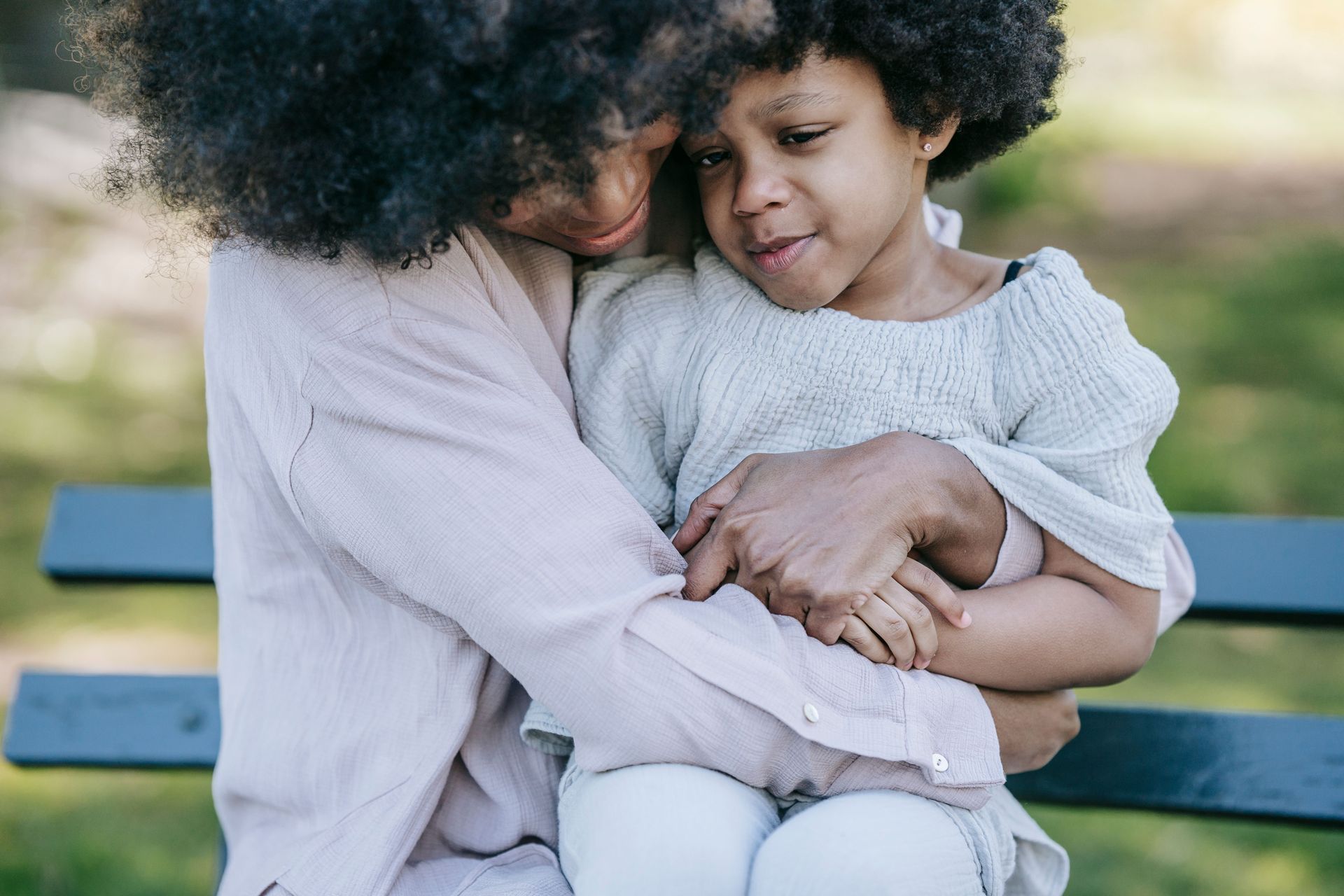
Adoption includes moments families remember for the rest of their lives: completing a home study, receiving an important call, welcoming a child home, or hearing a judge finalize the adoption. It also includes quieter milestones that rarely appear on a calendar. The first relaxed bedtime. The first honest question. The day a child asks for help without wondering whether it is safe to do so.
Each one can matter, but celebration should never follow a one-size-fits-all script. A joyful date for an adoptive parent may also hold grief or uncertainty for a child or birth parent. The most thoughtful family traditions leave room for more than one feeling and give the adopted person a voice in how the day is recognized.
Here are meaningful milestones families may choose to honor throughout the adoption process and in the years that follow.
Taking the First Official Step
Submitting an application or attending an initial meeting may not feel like a major event to anyone outside the family, but it often represents months or years of thought. Hopeful parents have reached the point where a private conversation becomes a real plan.
Mark the step simply. Have dinner together, write a note about what led you to adoption, or begin a private journal. Keep expectations grounded. Starting the process does not guarantee a particular timeline or outcome, so the celebration should recognize courage and commitment rather than predict what happens next.
Families learning about the Georgia adoption process can also use this moment to talk honestly about their hopes, concerns, support system, and willingness to keep learning.
Completing the Home Study
The home study asks families to gather documents, complete background requirements, talk openly with a social worker, and prepare their home and hearts for adoption. Finishing it deserves recognition, not because a family has passed a test of perfection, but because they have completed an important period of reflection and preparation.
Celebrate with something that brings relief rather than more work. Take a family walk, order a favorite meal, or put a copy of your completion letter in a private keepsake folder. If relatives supported you by writing references, helping with childcare, or listening during stressful days, send them a note of thanks.
If you are still preparing, learning what happens during the home study process can make the milestone feel more manageable.
The Match or Placement Call
Few moments carry as much excitement and uncertainty as learning about a possible match or placement. It is natural to want to tell everyone immediately, buy everything in sight, or plan a large welcome. It is also wise to pause.
Follow the guidance of your adoption professionals and protect everyone’s privacy. Share information only with the people who need to know, and avoid posting personal details online. A private celebration between spouses, partners, or immediate family may be the best fit while plans are still developing.
This is also a good time to review practical needs. Our guide to getting ready for placement day can help families prepare without turning the home into a picture of impossible perfection.
The First Day at Home
Welcoming a child home is meaningful, but it may not feel like a party to the child. New surroundings, unfamiliar people, different sounds, and changed routines can be overwhelming. Even an infant responds to transition.
Keep the day calm. Limit visitors, lower expectations, and focus on food, comfort, sleep, and connection. Take photographs only if appropriate, and do not require an older child to perform happiness for the camera. The most loving welcome may be a quiet evening and a predictable bedtime.
Parents can record a few memories privately after the child is settled. Write down the weather, what you ate, a song that was playing, or one small detail you hope to remember. These notes can become part of the child’s story later without making the day feel like a public event.
Adoption Finalization
Finalization is often a joyful legal milestone. Families may gather at the courthouse, take photographs, share a meal, or celebrate with close friends and relatives. At the same time, the date can represent many things: permanence, relief, change, grief, or a connection to events that came before.
Let the child’s age, personality, and wishes guide the celebration. Some children want balloons and a crowd. Others want a favorite dessert at home. Some do not want the date celebrated each year, and that preference may change over time.
If extended family will be included, talk with them beforehand about respectful language, social media boundaries, and the privacy of the child’s adoption story. These ideas for celebrating adoption with extended family can help everyone participate with care.
The First Comfortable Routine
Legal milestones are easy to identify. Relationship milestones are often quieter and just as important.
Perhaps bedtime stops feeling tense. Your child begins asking what is for dinner. A teenager leaves their backpack in the same spot every afternoon. A child who once kept every possession close finally trusts that their favorite toy will still be there tomorrow.
These moments signal familiarity and growing security. They do not need a formal celebration. Notice them, be grateful, and protect the routine that made them possible. A small note in a parent journal may be enough.
Bonding does not happen on a deadline. A slower connection is not a failed connection. Trust is built through repeated experiences of safety, honesty, and care.
The First Big Adoption Conversation
Adoption should not be treated as a single conversation or a secret revealed on one dramatic day. Children understand their stories in new ways as they grow. A question that seems simple at five may carry deeper meaning at ten or sixteen.
When your child brings up adoption, being willing to listen is a milestone worth recognizing. You do not need to have a perfect answer. Say what is true in language that fits the child’s age. If you do not know, say so. If the information belongs to the child, protect it from other people’s curiosity.
Parents may privately acknowledge that the conversation happened, but the child should not feel watched or graded for opening up. The real celebration is becoming a family where difficult questions are welcome.
Birth Family and Open Adoption Milestones
In an open or semi-open adoption, families may mark a first letter, video call, photo update, or visit. These moments can be hopeful and emotional for everyone. Clear plans, realistic expectations, and respectful communication help protect the relationship.
Do not assume every contact milestone needs a gift, photograph, or social media post. Ask what feels comfortable. Preserve letters and photographs for the child, but let the child decide how publicly the relationship is discussed as they grow.
If your family is still exploring contact options, understanding open and closed adoption can help you prepare thoughtful questions.
The Milestone of Asking for Support
There may be a day when an adoptive parent admits, “We need help.” That is not a low point to hide. It is a sign that the family is paying attention.
Support may include talking with your agency, joining a parent group, finding an adoption-competent counselor, asking relatives for practical help, or seeking guidance for a school concern. Families do not have to wait until a situation becomes a crisis. Post-adoption support can be useful during both difficult seasons and ordinary transitions.
Seeking help teaches children something valuable: strong families do not pretend to have every answer. They use the resources available to care for one another.
Let Traditions Grow With Your Family
The best adoption milestone traditions are flexible. Ask your child what they want, and ask again as they grow. A yearly courthouse photo may become a private dinner. A large family gathering may become a quiet day at home. A date that once felt exciting may later bring questions or sadness.
Changing a tradition does not erase its meaning. It shows that the family is listening.
A Adoption Advocates of Georgia provides experienced, compassionate
adoption services in Georgia, including home studies, post-placement services, and support for birth parents and adoptive families. We are here for the major steps and the quiet milestones that follow.